How to Manage Warehouse Inventory Without Losing Money
How to Manage Warehouse Inventory Without Losing Money
The most expensive inventory in a warehouse is the inventory nobody can find. Not stolen. Not sold. Just lost — sitting in the wrong location, mislabelled, or counted incorrectly — invisible to your system and therefore impossible to sell, reorder, or plan around.
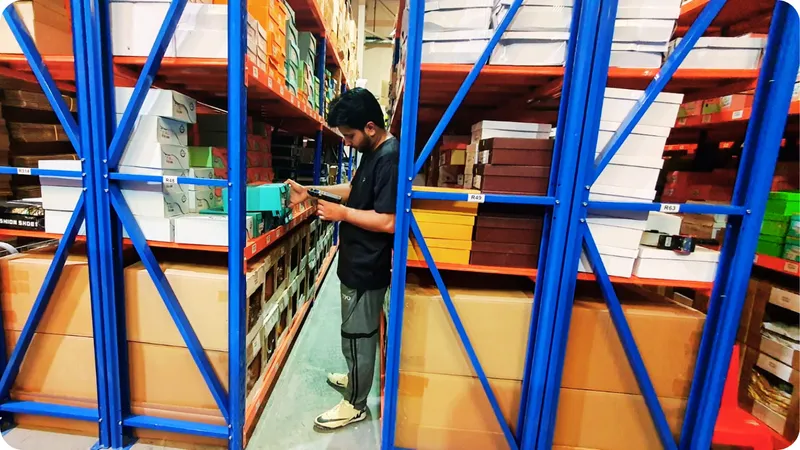
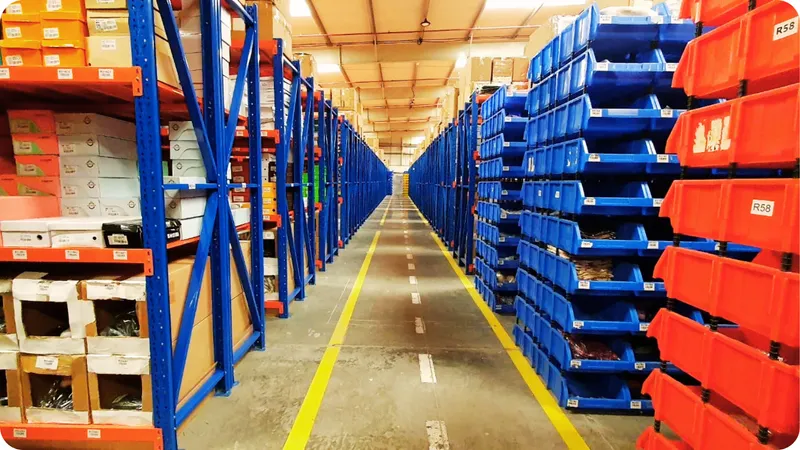
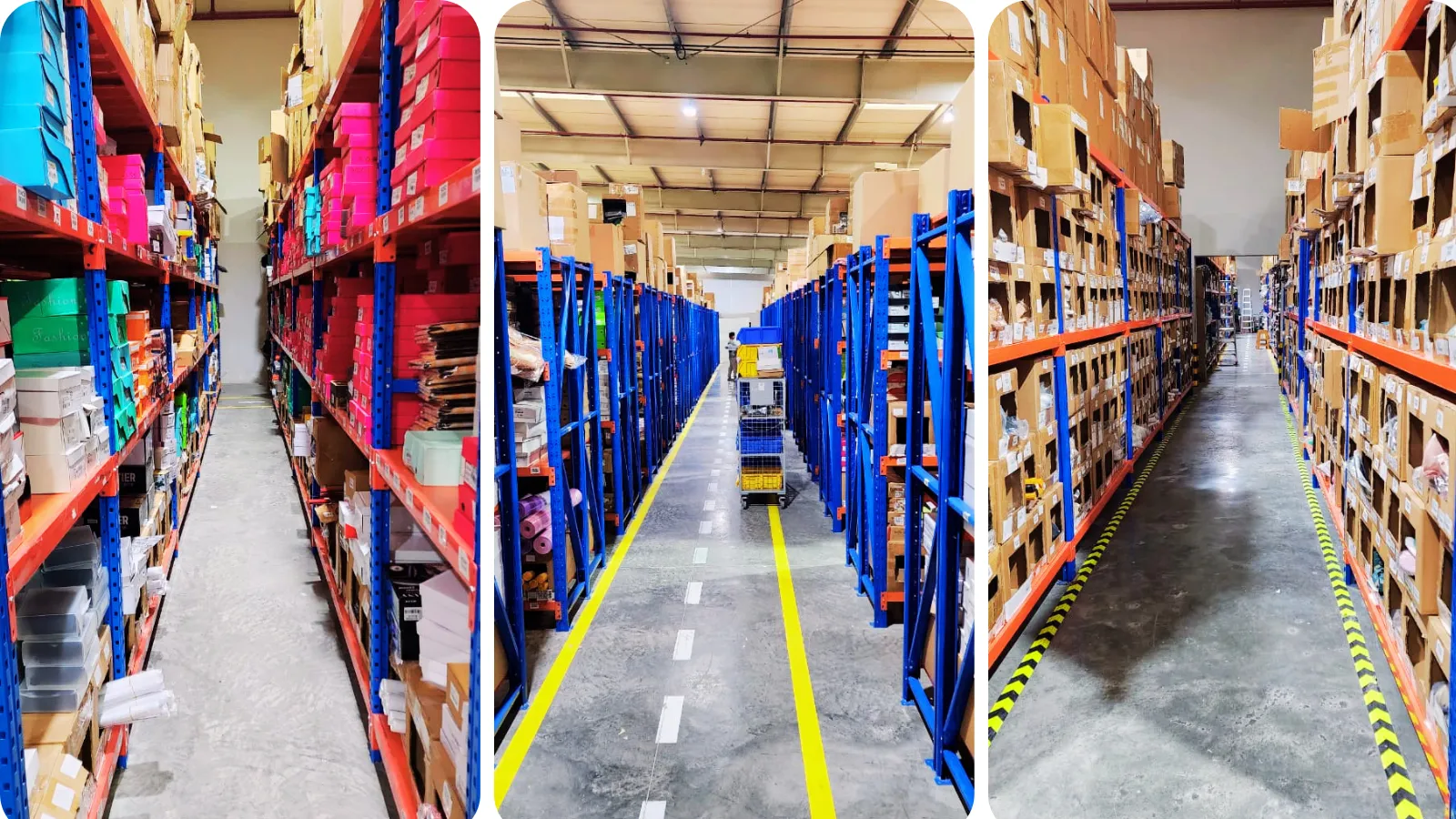
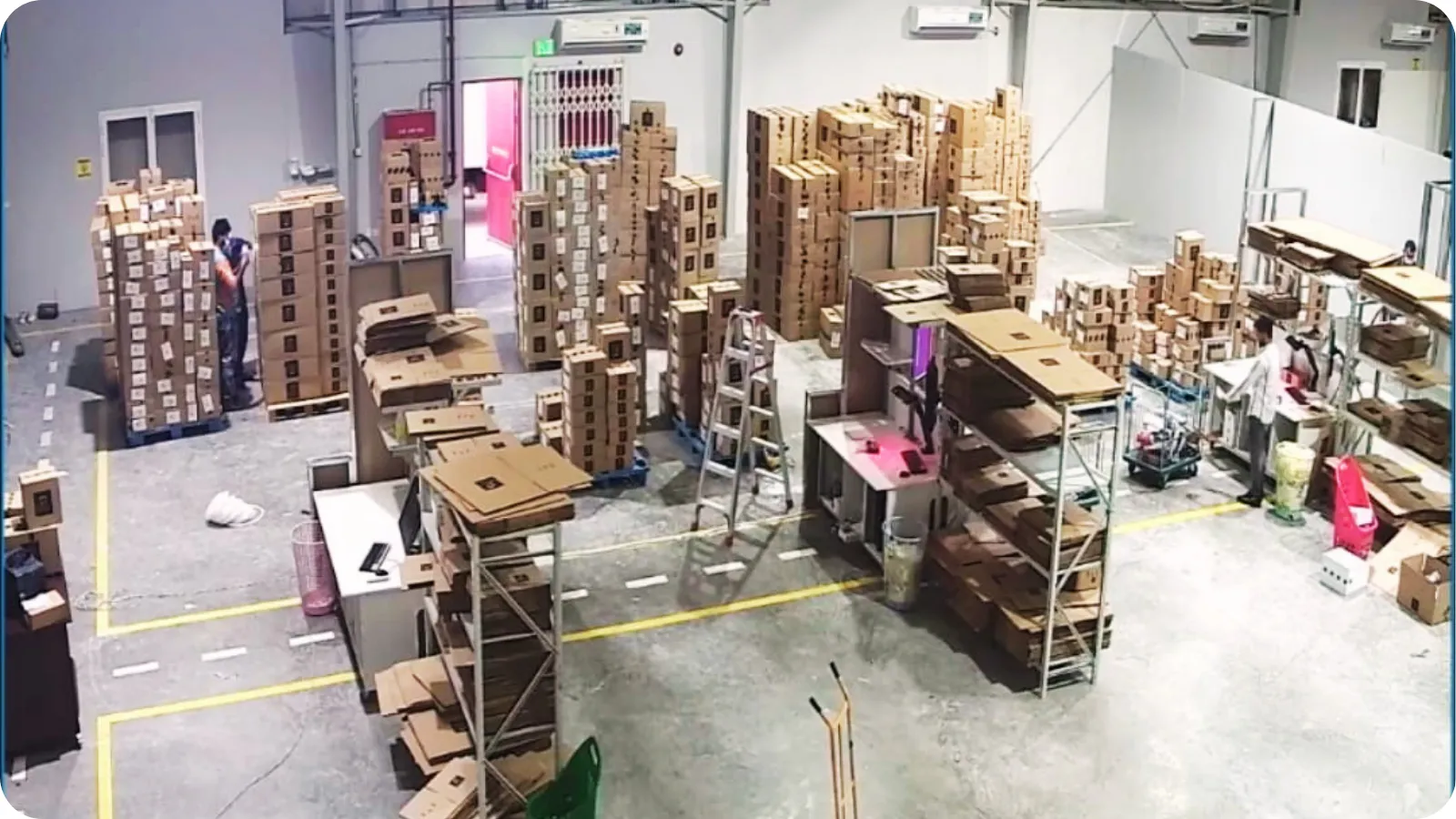
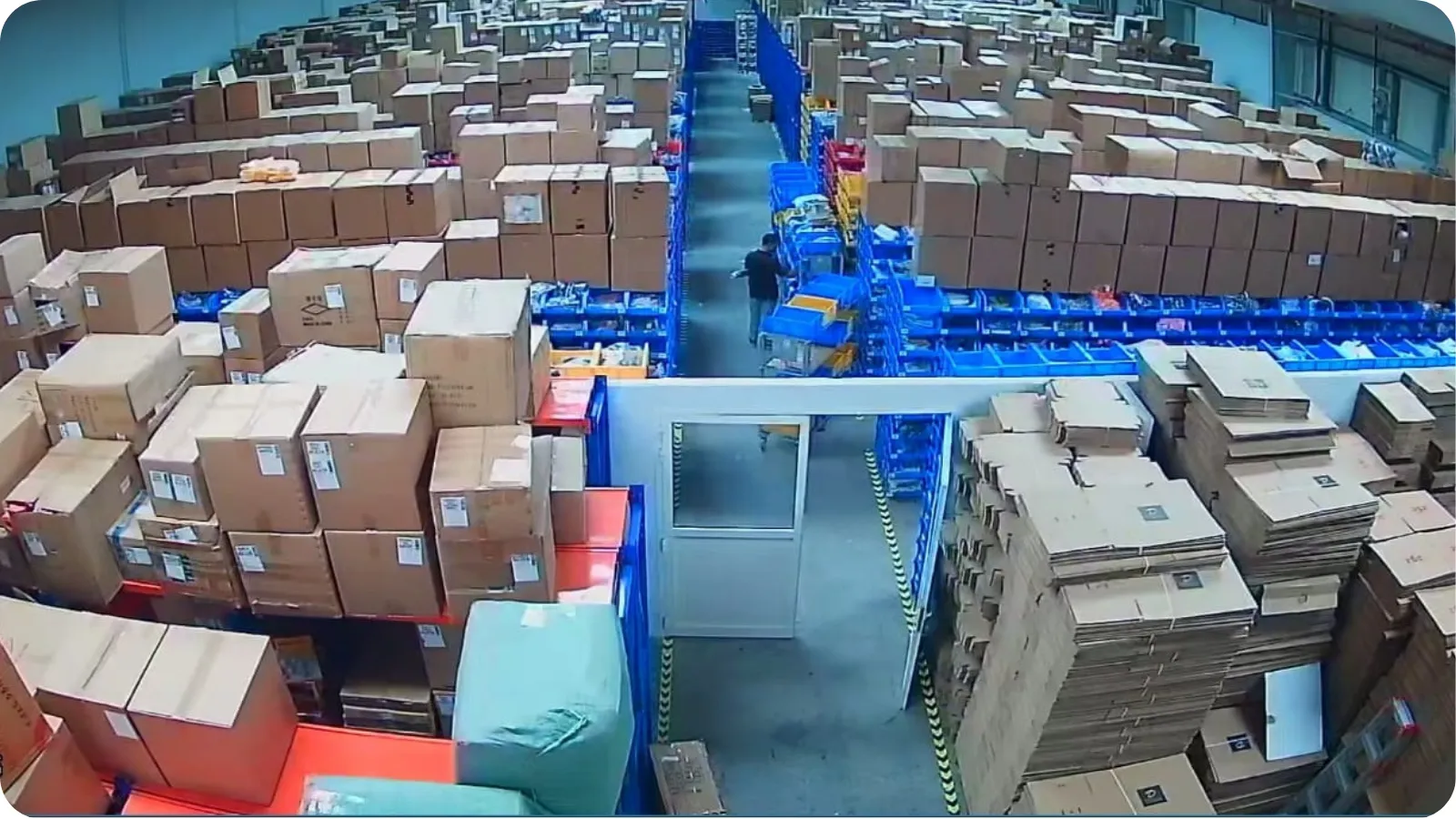
I ran a 30,000 square foot warehouse in the UAE with more than 20,000 SKUs and 74 staff at peak. I have seen every way inventory can go wrong — and most of them are not dramatic. They are slow, silent leaks that only become visible when you count the money at the end of the month and the numbers do not match.
Inventory loss in warehouses comes mostly from poor receiving processes, incorrect put-away, and inaccurate picking — not theft.
Barcodes and location tracking are the two most important tools for gaining real-time visibility of warehouse stock.
A goods-received note (GRN) process at the point of receiving eliminates the most common source of inventory discrepancy.
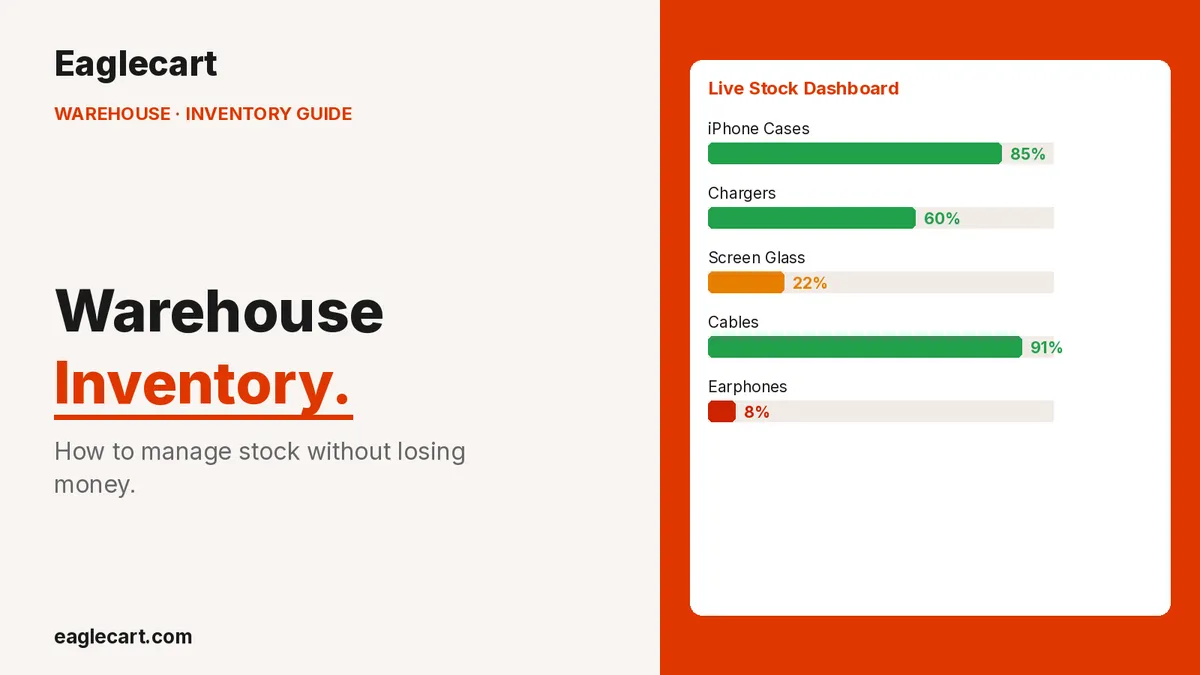
Eaglecart's warehouse module tracks inventory by location, manages receiving and picking workflows, and keeps your counts accurate without manual spreadsheets.
Where Inventory Actually Goes Missing
Most business owners assume inventory loss means theft. In my experience managing a large UAE warehouse, theft was a relatively small proportion of total losses. The majority came from process failures.
When a delivery arrived at the warehouse and was signed off without being properly counted and verified against the purchase order, we were accepting variance as fact. If the supplier sent 48 units instead of 50 and nobody caught it, those two missing units entered our system as present — and showed up as a discrepancy during the next stock count. Multiplied across dozens of deliveries a week, those variances accumulate fast.
The second source was incorrect put-away. A team member puts an item in bin C7 instead of C3 because the labels are worn or they were in a hurry. The system says the stock is in C3. The picker goes to C3 and finds nothing. The order gets delayed while someone searches 30,000 square feet, or gets marked as out of stock when the product is actually somewhere in the building.
That is a customer service failure driven entirely by a missing process, not missing stock.
The Receiving Process Is Where You Win or Lose
Getting receiving right is the single highest-leverage improvement you can make to inventory accuracy. Every item that enters your warehouse should be counted, verified against the purchase order, and confirmed in your system before it is put away anywhere.
This is called a Goods Received Note (GRN) process. It sounds basic and it is — but it is the step that most growing businesses skip when they are busy. The delivery arrives, everyone is handling orders, and the boxes get stacked in the corner to be "sorted later." Later becomes never. The count goes in as whatever the supplier invoice says rather than what was actually checked.
In Eaglecart's warehouse module, the receiving workflow creates a digital GRN at the point of delivery. You scan items in as they arrive, the system checks them against the purchase order, and it flags any discrepancy immediately. Nothing enters your system as present until it has been physically confirmed as present.
Location Tracking Changes Everything
In a small warehouse with a hundred SKUs, location tracking is a nice-to-have. In a warehouse with more than a few hundred products and several thousand units, it is not optional. Without it, you are relying on your team's memory — and people leave, forget, and make mistakes.
Location tracking means every product has a designated bin, shelf, or zone in your warehouse. Every movement in and out of that location is recorded. When a picker is sent to collect an item, they go to a specific location — not a general area. When stock is moved for any reason, the system is updated.
A warehouse where every item has a known location and every movement is tracked is a warehouse where your inventory count matches your system count — and that match is what accurate business decisions are built on.
Every Picking Error Is a Return You Pay For
When the pick-and-pack process runs on paper — a printed pick list, items collected by memory, packing done without verification — errors accumulate. Wrong size. Wrong colour. Wrong quantity. Each returned order in a UAE ecommerce business carries reverse logistics costs, a re-picking and re-packing cost, and a damaged customer relationship.
At 1,700 orders per day, even a one percent error rate is 17 wrong shipments daily. That adds up to real money very fast.
Eaglecart's warehouse module generates pick lists from orders automatically, assigns them to warehouse staff, and includes a packing verification step before dispatch. The system updates inventory as items are picked so your stock count stays current in real time — not just when you do a manual count.
How Often You Should Count Your Stock
A full stock count once a year is not enough for any business that holds significant inventory. By the time you discover a discrepancy in an annual count, the source of that discrepancy is months away and untraceable. The financial impact has been accumulating the entire time.
Cycle counting is the better approach. Count a portion of your inventory on a rotating schedule — high-value items weekly, medium-value items monthly, lower-value items quarterly. Discrepancies are found and investigated close to when they occur, while the trail is still fresh.
For a UAE warehouse using Eaglecart, inventory counts can be run by location. You count what is in bin C7, enter it in the system, and the system tells you immediately if the count differs from what it expects. Adjustments are logged with a reason code. Over time, this builds a picture of where your process is weakest — and that is where you improve first.
How Eaglecart Runs the Warehouse End-to-End
The warehouse module in Eaglecart tracks inventory by location across your entire facility. When a purchase order is fulfilled by a supplier, the receiving workflow creates a GRN and updates stock. When an online order comes in, the system generates a pick list. When items are picked, the stock count decrements in real time. When items are packed and dispatched, the order closes.
Plans for warehouse management are available from AED 399 per month. For a warehouse where a single month of stock discrepancy can easily cost more than that in lost sales and incorrect reorders, the system pays for itself immediately.
Visit eaglecart.com to learn more about the warehouse module and start your free trial.
Stop losing money to inventory problems
Eaglecart's warehouse module tracks stock by location, manages receiving and picking, and keeps your counts accurate in real time. From AED 399/month.
Start Free at eaglecart.comFrequently Asked Questions
What is the most common reason inventory goes missing in a warehouse?
Process failure — not theft. The biggest sources are deliveries signed off without a proper count, and items put away in the wrong location. Fix your receiving process first and you will eliminate the majority of your discrepancies.
What is a GRN and why is it important for warehouse inventory?
A GRN (Goods Received Note) records what was actually received against what was ordered. Without it, supplier short-deliveries enter your system as complete and you cannot trace the discrepancy later. Eaglecart creates a digital GRN at the point of receiving.
How do barcodes help with warehouse inventory management?
Barcodes allow each product to be scanned at every stage — receiving, put-away, picking, and packing — eliminating manual data entry errors. In a multi-SKU warehouse, barcodes are the foundation of accurate inventory tracking. Without them, you are relying on your team to remember and type correctly under pressure.
How often should a UAE warehouse do a stock count?
Cycle counting is better than one annual count. High-value or fast-moving items should be counted weekly. Discrepancies found quickly are traceable and fixable; discrepancies found six months later are neither.
Can Eaglecart manage warehouse inventory for ecommerce orders?
Yes. Eaglecart's warehouse module integrates directly with the online store so incoming orders automatically generate a pick list, decrement inventory as items are picked, and close the order when dispatched. Stock counts stay current in real time without manual updates.
What is the difference between inventory management and warehouse management?
Inventory management tracks what you have and how much. Warehouse management adds location — where exactly the stock is within your facility, and how it moves from receiving to storage to picking to dispatch. Eaglecart handles both so you know not just how many units you have but exactly where each one is.