How to Connect a Courier to Your Online Store in UAE
How to Connect a Courier to Your Online Store in UAE
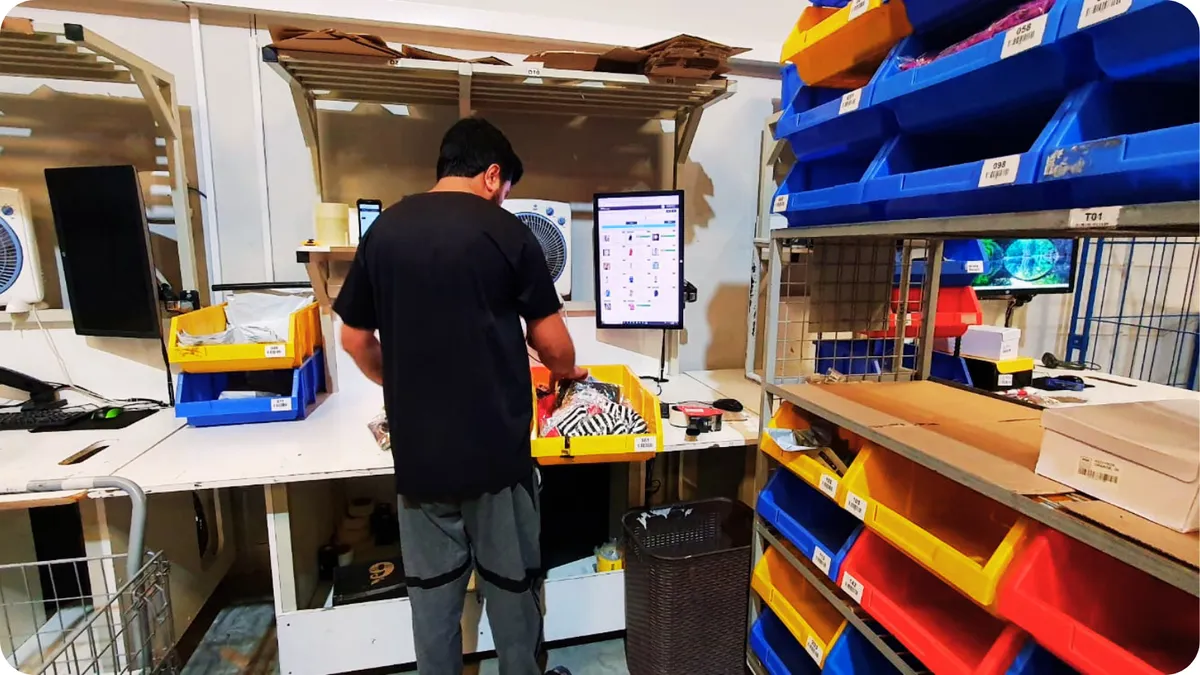
When we first started selling online, shipping was a manual process. A team member would receive the order, create the shipment on the courier website, print the airway bill, and prepare the package for pickup.
This worked when we had a few orders every day. As the business grew, we quickly discovered that shipping is much more than printing an airway bill.
The Problems Start As Orders Grow
Many business owners think courier integration is only about saving time.
The real benefit is reducing mistakes.
Without a proper shipping workflow, it is easy to pack duplicate orders, forget products inside a shipment, send the wrong item to a customer, or even attach the wrong airway bill to the wrong package.
I have personally seen situations where two customers received each other's orders because the airway bills were switched during packing. A small mistake immediately turned into customer complaints, return shipments, and additional delivery costs.
Managing Returns and RTO Orders
Every ecommerce business faces returns.
Some customers refuse delivery. Some orders cannot be delivered. Others are returned to the warehouse after multiple delivery attempts.
These are known as Return To Origin (RTO) orders.
Even if only five percent of orders become returns, the numbers become significant as your business grows. Without a proper system, tracking returned inventory and updating order status becomes difficult.
Payment Reconciliation Becomes Difficult
The biggest challenge is usually not shipping.
It is payment reconciliation.
If you hand over ten to twenty Cash on Delivery orders every day, you may have more than three hundred shipments by the end of the month.
The courier collects payments, deducts shipping charges, deducts return fees, and transfers the remaining balance. Trying to track all of this manually quickly becomes confusing.
You start asking questions such as:
Was this order delivered?
Was payment collected?
Was the shipment returned?
Did we receive the money?
Was the inventory returned to stock?
Without courier integration, finding accurate answers becomes difficult.
Real-Time Delivery Tracking
A properly integrated courier updates order status automatically inside your system.
You can see if an order is collected, out for delivery, delivered, failed, or returned without calling the courier or logging into a separate portal.
This helps your team follow up with customers before delivery issues become returns.
The faster you react, the higher your successful delivery rate becomes.
Why Courier Integration Matters
Courier integration is not only about generating shipping labels.
It helps reduce mistakes, manage returns, track deliveries, follow up on delayed shipments, and reconcile payments accurately.
As your ecommerce business grows, these become more important than the shipment itself.
Final Thoughts
After years of running ecommerce businesses in the UAE, one lesson became very clear.
Generating sales is only the beginning. The real challenge starts after the order is placed.
A properly integrated courier workflow helps businesses maintain control over deliveries, inventory, customer satisfaction, and cash flow as they grow.
Start for Free
Manage your online store, orders, inventory, shipping, quotations, invoices, and business operations from one platform with Eaglecart.